What Is Dental Biofilm and How Does It Affect Your Oral Health in Vienna, VA?
Dental biofilm is a sticky layer of bacteria that forms on teeth and gums every day. It is closely related to plaque, and if it is not disrupted regularly, it can contribute to cavities, tartar buildup, bleeding gums, gum disease, and bad breath. This happens to everyone, not just patients with poor oral health habits.
The good news is that biofilm is manageable. With consistent brushing and flossing at home, along with regular dental cleaning in Vienna, VA, and routine exams, patients can keep biofilm from turning into bigger problems. At SmileWorx, Dr. Olga Spivak and her team help patients understand biofilm and build a preventive care routine that protects their smile long-term.
What Is Dental Biofilm?
Dental biofilm is a thin, organized community of bacteria that attaches to the surfaces of your teeth and gums. These bacteria don't just sit loosely on your teeth. They form a structured layer that sticks firmly and rebuilds itself throughout the day, even after brushing.
Is Biofilm the Same as Plaque?
Plaque is the soft, sticky film patients can usually feel with their tongue or see along the gumline. Biofilm is the bacterial community that lives inside that layer. In everyday conversation, the two terms are often used interchangeably, so patients may hear both terms come up during a checkup or cleaning.
Why Does Biofilm Form on Teeth Every Day?
Biofilm forms because your mouth is never truly empty. Food particles, saliva, and naturally occurring bacteria are always present, and bacteria use those food particles as fuel. Within hours of brushing, a new layer starts to build back up on tooth surfaces, especially near the gumline and in spots that are harder to reach.
Where Does Biofilm Usually Build Up?
Biofilm tends to collect in areas that brushing and flossing miss most often, including:
- Along the gumline
- Between teeth
- Behind the lower front teeth
- Around the back molars
- Around fillings, crowns, bridges, or aligners
- Any area that gets consistently missed during brushing
Patients with dental crowns or other restorations often need extra attention in these areas, since biofilm can collect where a restoration meets the natural tooth.
Why Does Dental Biofilm Matter for Oral Health?
Biofilm on its own isn't harmful in small amounts. The problem starts when it is allowed to build up without regular disruption. Over time, that buildup can lead to several common oral health issues.
Biofilm Can Increase the Risk of Cavities
Bacteria in biofilm feed on sugars and starches from food and produce acid as a byproduct. That acid weakens tooth enamel, and repeated acid exposure over time can lead to cavities. The American Dental Association explains that this acid-producing process is one of the main ways untreated plaque contributes to tooth decay over time.
Biofilm Can Irritate the Gums
When biofilm collects near the gumline, it can irritate the surrounding gum tissue. Common signs of this irritation include redness, swelling, tenderness, or bleeding when you brush or floss.
Biofilm Can Contribute to Bad Breath
Bacteria in biofilm can produce odor-causing compounds as they break down food particles. Persistent bad breath isn't always caused by biofilm alone. It can also be linked to plaque buildup, gum inflammation, dry mouth, or an underlying dental infection, which is why ongoing bad breath is worth mentioning at your next visit.
Biofilm Can Harden Into Tartar
If biofilm and plaque are not removed consistently, they can mineralize into tartar, also called calculus. Once tartar forms, it bonds tightly to the tooth surface and cannot be removed with a toothbrush or floss. At that point, a professional dental cleaning is the only way to remove it.
How Does Biofilm Lead to Gum Disease?
Biofilm near the gumline can trigger an inflammatory response in the surrounding tissue. Left unaddressed, that inflammation can progress from mild irritation into gingivitis, and in some cases, into more advanced gum problems.
What Are Early Signs of Gum Inflammation?
Watch for these common early warning signs:
- Bleeding when brushing or flossing
- Swollen or puffy gums
- Tenderness along the gumline
- Redness at the base of the teeth
- Persistent bad breath
- Gums that appear to be pulling back from the teeth
When Does Gingivitis Become More Serious?
Gingivitis is generally considered an early and reversible stage of gum inflammation. If it isn't addressed, though, the inflammation can eventually affect the tissues and structures that support the teeth. The National Institute of Dental and Craniofacial Research points to plaque buildup along the gumline as the typical starting point for this process, which is why early gum changes are worth catching before they advance.
Why Routine Dental Exams Help Catch Gum Problems Early
A routine exam gives your dentist the chance to spot inflammation before it becomes uncomfortable or harder to manage. This is one of the main reasons ongoing care through family dentistry matters for patients of every age, not just those already experiencing symptoms.
Can You Remove Dental Biofilm at Home?
Daily home care plays a major role in keeping biofilm under control. It won't remove tartar once it has formed, but it does disrupt the bacterial layer before it has a chance to harden.
Brushing Helps Disrupt Biofilm on Tooth Surfaces
A consistent brushing routine is the foundation of biofilm control. For best results:
- Brush twice a day for two minutes
- Use a fluoride toothpaste
- Angle the brush toward the gumline, not just the flat surface of the tooth
- Replace your toothbrush every three to four months
Flossing Cleans Biofilm Between Teeth
Brushing alone can't reach the tight spaces between teeth. Flossing, floss picks, and interdental brushes all help remove biofilm from those areas. A water flosser can be a helpful addition for patients with braces, bridges, or other dental work, since it can rinse away food and biofilm from around hardware that's harder to reach with floss alone.
Mouth Rinse May Help, But It Does Not Replace Brushing or Flossing
A mouth rinse can be a helpful addition to your routine, but it isn't a substitute for brushing and flossing. If you're considering a rinse, ask your dental team what type of product fits your specific needs.
Diet and Snacking Frequency Affect Biofilm Activity
How often you eat matters as much as what you eat. Frequent snacking on sugary or starchy foods gives bacteria more opportunities to produce acid throughout the day, which increases the number of acid attacks your enamel faces.
Why Are Professional Dental Cleanings Needed If You Brush Every Day?
Even patients with excellent home care still need regular dental cleaning in Vienna, VA. Home care manages daily biofilm, but it can't remove tartar or reach every area of the mouth.
Tartar Cannot Be Brushed Away at Home
Once biofilm and plaque are left in place long enough to mineralize, they harden into tartar that bonds firmly to the tooth surface. At that point, a toothbrush can no longer break it loose. Only a dental hygienist with the right instruments can safely remove it.
A Dental Hygienist Can Clean Hard-to-Reach Areas
A dental hygienist in Vienna, VA, can access spots that are difficult to clean at home, including between teeth, along the gumline, around back molars, near restorations, and in areas of crowding.
Cleanings Help Your Dentist Monitor Risk Over Time
Regular cleanings also give your dental team a chance to notice recurring plaque patterns. If buildup keeps forming in the same spots, that's often a sign a small adjustment to technique or tools could help.
What Is Guided Biofilm Therapy and How Can It Support Cleaner Teeth?
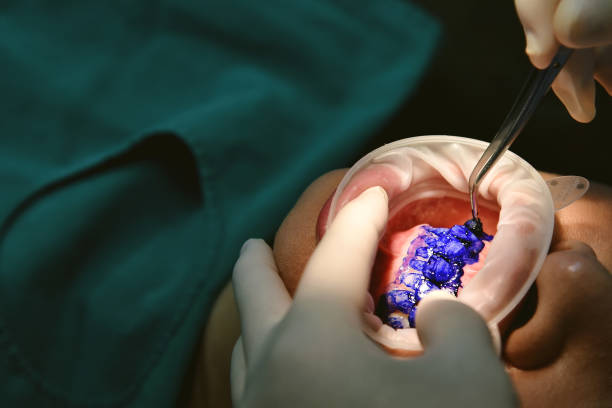
Guided Biofilm Therapy is a modern hygiene approach SmileWorx incorporates into some cleanings to make biofilm easier to identify and remove. It isn't a cure-all, but it can support a more thorough and comfortable cleaning experience.
How Guided Biofilm Therapy Helps Identify Biofilm
This approach uses a coloring solution during the hygiene appointment to make biofilm more visible on the tooth surface. That visibility helps your hygienist see exactly where buildup remains so nothing gets missed.
How It Supports More Precise Dental Cleanings
Because the biofilm is easier to see, your hygienist can target removal more precisely. This often means a gentler cleaning process, along with clearer patient education about which areas need extra attention at home.
Who May Benefit from Biofilm-Focused Hygiene Care?
This approach can be especially helpful for:
- Patients with heavy plaque buildup
- Patients with bleeding or inflamed gums
- Patients wearing braces or clear aligners
- Patients with crowns, bridges, or other restorations
- Children who are still learning proper hygiene habits
- Adults managing ongoing gum inflammation
How Does Biofilm Affect Children, Teens, Adults, and Seniors Differently?
Biofilm forms in every mouth, but the risk factors and problem areas shift as patients move through different life stages, which is one reason family dentistry serves every member of a household a little differently.
Children May Miss Hard-to-Reach Areas
Kids are still developing the coordination needed to brush thoroughly, which means molars and back teeth often get less attention. Parents can help by supervising brushing time and checking that these areas get covered. Fluoride treatments and dental sealants can add an extra layer of protection while good habits are still forming.
Teens May Have Biofilm Around Orthodontic Appliances or Aligners
Braces and aligners create more surfaces where food and biofilm can collect. Teens wearing either one may need to adjust their brushing and flossing technique to keep up.
Adults May Develop Biofilm Around Dental Work
Fillings, crowns, bridges, bonding, implants, and dentures all create edges or surfaces where biofilm can gather. These areas deserve the same consistent attention as natural tooth surfaces.
Seniors May Have Higher Risk From Dry Mouth or Gum Recession
Many medications reduce saliva flow, and saliva plays a natural role in washing away food particles and bacteria. Combined with gum recession that exposes root surfaces, reduced manual dexterity, and years of accumulated restorative work, seniors may need a more tailored hygiene routine to keep biofilm under control.
When Should Biofilm or Plaque Buildup Be Checked by a Dentist in Vienna, VA?
Most biofilm-related changes develop gradually, but a few signs are worth acting on sooner rather than later.
Schedule a Visit If Your Gums Bleed Often
Occasional bleeding after aggressive brushing isn't unusual, but gums that bleed regularly are a sign of inflammation that deserves attention.
Schedule a Visit If You Notice Persistent Bad Breath
Bad breath that doesn't improve with brushing and flossing may point to plaque buildup, gum inflammation, or another issue that's worth having evaluated.
Schedule a Visit If Your Teeth Feel Rough or Look Stained Near the Gumline
Tartar often feels rough to the tongue and can appear yellow or brown near the gumline. Once it forms, only a professional cleaning can remove it.
Schedule a Visit If You Keep Getting Cavities
Recurring cavities, especially in the same areas, can be a sign that biofilm isn't being fully controlled between visits. If left unaddressed long enough, untreated decay can eventually turn into a more urgent problem requiring emergency dental care.
How SmileWorx Helps Vienna Patients Control Biofilm
SmileWorx takes a preventive, personalized approach to biofilm and plaque control for patients throughout Vienna, VA. Dr. Olga Spivak and her team combine hands-on hygiene care, including Guided Biofilm Therapy when appropriate, with practical guidance so patients understand exactly what's happening in their own mouths.
Preventive Dental Cleanings for Plaque and Tartar Control
Routine cleanings through family dentistry remove plaque and tartar before they can contribute to bigger problems, for patients of every age in the same household.
Dental Exams That Check for Gum and Cavity Risk
Regular exams give your dental team the chance to catch early inflammation or cavity risk before it becomes noticeable or uncomfortable to you.
Personalized Hygiene Guidance for Children and Adults
Every patient's mouth collects biofilm a little differently. That's why Dr. Olga Spivak and her team offer specific, practical home care recommendations based on what they see during your visit, rather than generic advice that doesn't account for your particular risk areas.
FAQs About Dental Biofilm and Oral Health in Vienna, VA
What is dental biofilm?
Dental biofilm is a sticky layer of bacteria that forms on teeth and gums. It is closely related to plaque and can contribute to cavities and gum inflammation if it isn't controlled.
Is biofilm the same as plaque?
Plaque is the sticky buildup patients often see or feel. Biofilm refers to the bacterial community living within that buildup.
Can brushing remove dental biofilm?
Brushing helps disrupt biofilm on tooth surfaces, but flossing and professional dental cleanings are also needed to manage buildup between teeth and near the gums.
What happens if biofilm is not removed?
Biofilm can contribute to cavities, tartar buildup, bleeding gums, bad breath, and gum disease.
Can dental cleanings remove tartar?
Yes. Professional dental cleanings remove tartar that cannot be brushed away at home.
Where can I schedule a dental cleaning in Vienna, VA?
Patients can schedule an appointment with SmileWorx for preventive dental cleanings and exams in Vienna, VA.
Schedule a Preventive Dental Cleaning in Vienna, VA
Biofilm forms on everyone's teeth every day, and that's completely normal. Left unchecked, though, it can contribute to cavities, tartar buildup, and gum inflammation over time. Consistent brushing and flossing at home make a real difference, but professional cleanings and exams are still an essential part of keeping biofilm under control.
If you're looking for a dentist in Vienna, VA, who combines personalized care, advanced technology, and a calm patient experience, SmileWorx can help you understand your options and choose treatment that supports your health, comfort, and confidence. Book your visit with SmileWorx today.