Invisalign for Teens vs Braces: What Should Parents in Vienna, VA Consider?
Parents comparing clear aligners in Vienna, VA to traditional treatment often start with one question: is Invisalign or braces the better fit for my teenager? The truth is that Invisalign Teen and braces can both help straighten teeth, and neither option is automatically the right answer for every case.
Invisalign uses removable clear aligners that a teen can take out for meals and brushing, which makes treatment discreet but dependent on consistent wear. Braces stay fixed to the teeth, which removes the guesswork around daily wear and can be the better choice for teens who might forget to put their aligners back in, or for cases that need more complex correction.
The right choice depends on your teen's orthodontic needs, daily habits, and how ready they are to follow instructions on their own. This guide compares Invisalign for teenagers in Vienna, VA with braces in Vienna, VA, so parents can understand whether Invisalign is the right fit for their teen before bringing questions to a consultation with Dr. Olga Spivak at SmileWorx.
What Is the Main Difference Between Invisalign for Teens and Braces?
The biggest difference comes down to whether the appliance is removable or fixed. That single distinction affects nearly everything else, from daily routines to how much responsibility falls on your teen.
Invisalign Uses Removable Clear Aligners
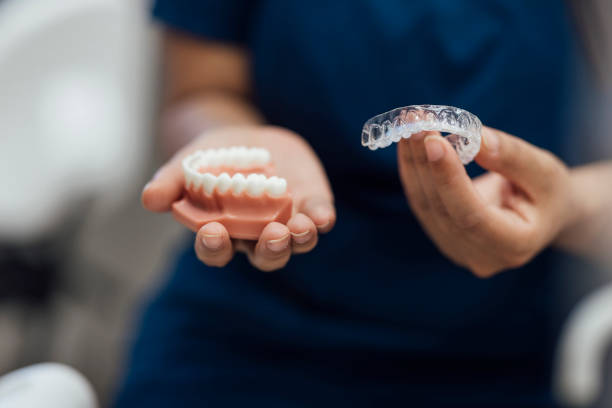
Invisalign Teen uses a series of custom clear trays that fit snugly over the teeth. Each tray shifts the teeth slightly before your teen moves on to the next one in the series. The aligners are removable for eating, drinking, and brushing, which makes them far less noticeable than metal brackets and wires.
That flexibility comes with a condition. Aligners only work if they're worn as directed, typically for most hours of the day, with removal reserved for meals and oral hygiene.
Braces Use Fixed Brackets and Wires
Traditional braces attach small brackets directly to each tooth and connect them with a wire. Your dentist or orthodontist periodically tightens or adjusts that wire to guide the teeth into position over time. Because braces stay fixed to the teeth and can't be removed, they don't rely on a teen remembering to put them back in.
This fixed design can be an advantage for teens who might struggle with the responsibility that removable aligners require, or for cases that need more precise, continuous force to move teeth into place.
Both Options Require Monitoring and Retainers
Whether your teen wears Invisalign or braces, treatment doesn't end the moment the teeth look straight. Both approaches need periodic check-ins to track progress, and both require a retainer afterward to keep the teeth from shifting back. According to the American Dental Association, retainers preserve and stabilize the results of orthodontic treatment once the active phase is complete.
Is Invisalign a Good Option for Teenagers in Vienna, VA?
Invisalign for teens works well for many families, but it isn't automatically the right fit for every teen or every case.
Invisalign May Work Well for Responsible Teens
Teens who can commit to wearing their aligners consistently, keep them safe when they're out, and brush before putting them back in tend to do well with Invisalign. Following the dentist's instructions on wear time and appointments also matters just as much as the daily habits around the aligners themselves.
Invisalign May Help Teens Who Want a More Discreet Option
Some teens feel self-conscious about visible metal brackets, especially around school photos, social events, or extracurricular activities. Clear aligners are far less noticeable, which can make the treatment process feel less disruptive to daily life and easier on a teen's confidence.
Invisalign May Not Be Right for Every Teen
Invisalign isn't the best fit in every situation. It may not be recommended for teens with:
- Severe bite problems or complex tooth movement needs
- A pattern of losing or misplacing aligners
- Difficulty following through on daily routines without reminders
- Untreated cavities or gum problems that need attention first
A consultation is the best way to find out whether your teen's case is a good match for Invisalign for teenagers or whether another approach makes more sense.
When Are Braces Better Than Invisalign for Teens?
Braces remain a strong, well-established option, and they can be the better fit in certain situations.
Braces May Be Better for Teens Who May Not Wear Aligners Enough
Because braces stay attached to the teeth, they don't depend on a teen remembering to put them in after lunch or a sports practice. For teens who are still building organizational habits, that fixed design removes a major variable from treatment.
Braces May Be Better for Some Complex Orthodontic Cases
Some orthodontic issues need more control over tooth movement than removable aligners can provide. Your dentist can evaluate your teen's bite, spacing, and jaw development to determine whether a more complex case would benefit from the continuous force that braces apply.
Braces Remove the Risk of Losing Aligners
Aligners can be forgotten in a school cafeteria, a sports bag, a family trip, or a restaurant napkin. Braces don't carry that risk, since the brackets and wires stay in place through meals, travel, practices, and everyday routines.
Braces Can Still Be a Strong Option for Predictable Treatment
Braces have a long track record of moving teeth effectively for a wide range of orthodontic needs. Choosing braces isn't a step down. For many teens, it's simply the more predictable and lower-maintenance path to a straighter smile.
Invisalign Teen vs Braces: Which Is Easier for Daily Life?
Beyond the clinical differences, most parents want to know how each option fits into school, sports, and everyday routines.
Eating and School Lunch
Invisalign allows a teen to eat normally since the aligners come out before meals. That convenience comes with a responsibility: aligners need a clean case for storage, and teeth should be brushed before the trays go back in. Braces, on the other hand, come with some food restrictions, since sticky or hard foods can damage brackets and wires.
Brushing and Flossing
Oral hygiene tends to be simpler with removable aligners, since a teen can brush and floss normally without navigating around brackets. That advantage only holds up if the teen actually follows through on brushing every time the aligners come out.
Sports and Activities
Active teens should know that Invisalign aligners aren't designed to double as sports mouthguards. Depending on the sport, your teen may need a separate mouthguard whether they're wearing Invisalign or braces.
Photos, Events, and Confidence
For teens who feel strongly about how their smile looks during treatment, Invisalign's clear design tends to draw less attention in photos and social settings than metal brackets.
How Responsible Does a Teen Need to Be for Invisalign?
This is often the most important question for parents to think through honestly before choosing Invisalign.
Aligners Must Be Worn Consistently
Invisalign only moves teeth as planned when the aligners are worn for the recommended number of hours each day. According to Cleveland Clinic, clear aligners should be worn for at least 22 hours a day and removed only for eating, drinking, and brushing. Inconsistent wear can slow progress or change the expected treatment timeline.
Aligners Must Be Removed and Stored Safely
Aligners come out for meals, which means they can be misplaced at school, left at a restaurant, or lost during sports practice. A missing aligner can set treatment back until a replacement or the next tray in the series is available.
Teens Need to Brush Before Reinserting Aligners
Trapping food or plaque against the teeth under a snug-fitting aligner raises the risk of cavities. Brushing before the aligners go back in is a small habit that makes a real difference.
Parents May Need to Help Build a Routine
Many teens do better with some structure around their new routine. A few practical habits can help:
- Keep a hard case on hand for every removal
- Avoid wrapping aligners in napkins, where they get thrown away
- Set phone reminders for reinsertion after meals
- Pack a travel toothbrush for school or activities
- Track daily wear time together as a family
- Keep upcoming appointments on the family calendar
Which Option Is Better for Teen Oral Hygiene?
Invisalign tends to make daily hygiene easier since the aligners come out for brushing and flossing, but braces can still support excellent oral health with the right cleaning routine. The better option often comes down to which habits your teen is more likely to follow consistently.
Invisalign Can Make Brushing and Flossing Easier
Since the aligners are removable, teens can brush and floss without threading around wires or brackets. This tends to make daily hygiene more straightforward, though it still depends on consistent effort.
Braces Require More Care Around Brackets and Wires
Food and plaque can collect around brackets more easily than on a smooth tooth surface. Teens with braces often need floss threaders or interdental brushes to clean effectively between wires and around each bracket.
Cleanings and Exams Still Matter During Treatment
Orthodontic treatment doesn't replace the need for regular preventive care. Keeping up with dental cleanings and exams throughout treatment helps catch small issues before they become bigger problems, and it fits naturally alongside the family dentistry your teen already receives.
Cavities or Gum Problems Can Delay Orthodontic Progress
Untreated cavities or gum inflammation can complicate orthodontic treatment or delay its start altogether. A healthy mouth is generally the starting point before Invisalign or braces begin.
Does Invisalign Hurt Less Than Braces?
Comfort is a common concern for parents, and the honest answer is that both options come with an adjustment period.
Both Can Cause Pressure When Teeth Move
Any orthodontic treatment applies gentle, steady pressure to shift teeth, and that pressure can create mild soreness as the teeth respond. This is a normal part of the process rather than a sign that something is wrong.
Braces May Cause Bracket or Wire Irritation
Metal brackets and wires can occasionally irritate the inside of the cheeks or lips, especially after an adjustment. Orthodontic wax can help ease that irritation while the mouth adjusts.
Invisalign May Cause Temporary Tightness or Speech Changes
New aligners often feel tight for the first day or two, and some teens notice a temporary change in speech as they get used to a new tray. Both effects usually ease within a short adjustment period.
Comfort Depends on the Teen and the Case
Neither option can be promised as pain-free. Comfort varies from one teen to the next and depends on the complexity of the case, so it's worth discussing expectations directly during a consultation.
How Do Appointments Compare for Invisalign Teen and Braces?
Both Invisalign and braces require regular office visits, but the appointments serve different purposes depending on the appliance.
Invisalign Progress Is Checked During Follow-Up Visits
Invisalign treatment includes periodic visits to check aligner fit, confirm the teeth are tracking as planned, review how consistently the aligners are being worn, and address any need for refinements or a new set of trays.
Braces Require Adjustments
Braces need regular adjustment appointments so the dentist or orthodontist can tighten or change the wire as the teeth move. These visits happen on a set schedule throughout treatment.
Digital Scans Can Help Plan Clear Aligner Treatment
Many Invisalign treatment plans start with a digital scan of the teeth rather than a traditional impression. That scan helps map out the full series of aligners before treatment even begins, giving your teen and your dentist a clearer picture of the plan from day one. This kind of planning is part of the digital, laser, and AI dentistry SmileWorx uses to support more predictable treatment.
What Should Parents Ask Before Choosing Invisalign or Braces?
A short list of honest questions can help guide the conversation at your teen's consultation.
Is My Teen's Case Suitable for Invisalign?
Ask about crowding, spacing, bite alignment, jaw growth, overall case complexity, and whether all the necessary teeth have erupted enough for aligner treatment to begin.
Will My Teen Wear Aligners as Directed?
Think honestly about your teen's daily habits and organization skills. This isn't about doubting them. It's about setting them up for a treatment plan that fits how they actually operate.
How Will Treatment Affect School, Sports, and Meals?
Consider your teen's schedule, including sports, instruments, social activities, and school lunch routines, to understand how either option will fit into daily life and eating habits.
What Happens If Aligners Are Lost or Not Worn?
Ask what the backup plan looks like if an aligner goes missing or if wear time falls short of what's recommended.
Will My Teen Need Retainers After Treatment?
Yes. Retention matters after both Invisalign and braces. Without a retainer, teeth can gradually shift back toward their original positions.
Why Choose SmileWorx for Teen Invisalign in Vienna, VA?
Invisalign Guidance for Families in Vienna, VA
Dr. Olga Spivak and the team at SmileWorx work with families in Vienna, VA to evaluate whether Invisalign fits a teen's needs, lifestyle, and orthodontic case, offering guidance rather than a one-size-fits-all recommendation.
A Dental Health-First Approach to Orthodontic Treatment
Before recommending Invisalign or another option, SmileWorx evaluates your teen's oral health, including cavities, gum health, hygiene habits, and bite, to make sure the mouth is ready for treatment.
Clear Recommendations Based on Your Teen's Needs
Every family gets a straightforward explanation of whether Invisalign is a good fit for their teen or whether another orthodontic approach would serve them better.
Schedule an Invisalign Teen Consultation in Vienna, VA
Invisalign Teen and braces can both help your teen achieve a straighter, healthier smile. Invisalign offers a discreet, removable option that depends on daily responsibility, while braces provide a fixed solution that may suit teens who need extra structure or more complex correction. The best way to know which path fits your family is a consultation that looks at your teen's specific case and habits.
If you're weighing Invisalign for teenagers against braces for your child in Vienna, VA, schedule a consultation with SmileWorx to talk through your teen's needs and find the right path forward.
FAQs About Invisalign for Teens vs Braces in Vienna, VA
Is Invisalign good for teenagers?
Invisalign can be a good option for responsible teens with suitable orthodontic needs, but it requires consistent wear and good hygiene.
Are braces better than Invisalign for teens?
Braces may be better for teens who may not wear aligners as directed or who have more complex orthodontic needs.
Can teens eat normally with Invisalign?
Yes, but aligners should be removed before eating, and teeth should be cleaned before the aligners are put back in.
What happens if my teen loses an Invisalign aligner?
Parents should contact the dental office for guidance. The teen may be advised to use a previous or next aligner depending on the treatment plan.
Is Invisalign easier to clean than braces?
Invisalign can make brushing and flossing easier because aligners are removable, but teens still need excellent hygiene habits.
Can teens play sports with Invisalign?
Yes, but Invisalign aligners are not sports mouthguards. Teens may need a separate mouthguard for contact sports.
Where can I schedule an Invisalign Teen consultation in Vienna, VA?
Parents can schedule an Invisalign consultation with SmileWorx in Vienna, VA.