What Does a Dentist Check During a Routine Oral Exam in Vienna, VA?
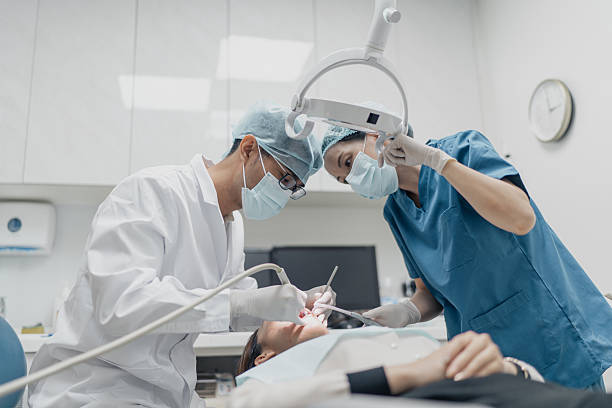
During a routine oral exam, your dentist checks your teeth, gums, bite, jaw, soft tissues, existing dental work, X-rays when needed, and other signs of oral disease. Many dental problems start quietly, so a thorough dental exam in Vienna, VA helps catch them before pain starts, when treatment is usually simpler and less costly.
At SmileWorx in Vienna, VA, Dr. Olga Spivak brings a preventive dentistry approach to every routine exam. As a dentist in Vienna, VA who looks beyond a glance, she reviews every part of your oral health during each visit, so your treatment plan is based on what your mouth actually needs.
What Is Included in a Routine Dental Exam in Vienna, VA?
A complete routine dental exam looks at more than just cavities. Here is what is typically reviewed during a visit.
Is a Dental Exam the Same as a Dental Cleaning?
No. A dental cleaning removes plaque and tartar from your teeth. A dental exam evaluates your overall oral health and looks for signs of disease or damage. The two often happen during the same visit, but they serve different purposes.
Why Routine Exams Matter Even If Nothing Hurts
Many dental problems do not cause pain until they have progressed. Early cavities, gum inflammation, cracked teeth, failing fillings, and changes in the oral tissues can all develop without any noticeable discomfort. A routine oral exam gives your dentist the chance to catch these changes early, when treatment is usually simpler.
How Does Your Dentist Check for Cavities and Tooth Decay?
The Dentist Looks for Visible Signs of Decay
Your dentist checks for soft spots, discoloration, breakdown in the enamel, pits and grooves where decay often starts, and wear along the edges of existing fillings. These signs can point to decay that is just getting started or decay that has been present for a while.
Why Are Dental X-Rays Sometimes Part of an Oral Exam?
Dental X-rays are not automatically required at every visit. Whether you need one depends on your age, symptoms, dental history, risk factors, and how recently your last X-rays were taken.
What Can Dental X-Rays Show?
X-rays can reveal cavities between teeth, bone levels around the teeth, infections near the roots, impacted teeth, and problems developing underneath old fillings or crowns that are not visible during a standard exam.
Are Digital Dental X-Rays Used at SmileWorx?
Yes. SmileWorx uses digital, laser, and AI dentistry to support more accurate imaging and earlier detection, with lower radiation exposure compared to older X-ray methods.
How Often Are X-Rays Needed?
There is no single schedule that applies to every patient. According to the American Dental Association, the need for dental X-rays should be based on a review of your dental and medical history, prior images, and current clinical findings, not a fixed timeline. Your dentist will recommend a schedule based on your individual risk.
How Does Your Dentist Check Gum Health?
The Dentist Looks for Gum Inflammation
During a gum health check in Vienna, VA, your dentist looks for redness, swelling, bleeding, tenderness, and any signs of gum recession along the gumline.
Gum Measurements May Be Taken When Needed
If there are signs of gum disease, your dentist or hygienist may measure the space between your gums and teeth, known as periodontal pockets. Deeper pockets can indicate more advanced gum disease that needs attention.
Plaque and Tartar Patterns Help Show Gum Risk
Where plaque and tartar collect most often can tell your dentist which areas may need extra attention during home care or professional cleanings.
Why Gum Disease Screening Matters
If gum inflammation goes untreated, it can progress beyond the gums and begin to affect the tissue and bone that support your teeth. According to the Centers for Disease Control and Prevention, periodontal disease refers to this kind of inflammation and infection of the tissues that surround and support the teeth. Screening for gum disease at every routine exam helps catch it while it's still easier to manage.
Does a Routine Dental Exam Include an Oral Cancer Screening?
What Areas Are Checked During an Oral Cancer Screening?
An oral cancer screening in Vienna, VA typically covers the soft tissues of the mouth, including the lips, cheeks, tongue, gums, the roof and floor of the mouth, and the surrounding throat area.
What Signs May a Dentist Look For?
Your dentist checks for sores that have not healed, unusual red or white patches, lumps, persistent irritation, or any tissue changes that look different from your last visit. Most findings turn out to be minor, and screenings are simply a routine part of a thorough exam.
Why Oral Cancer Screenings Are Part of Preventive Dental Care
Dentists regularly examine areas of the mouth and throat that are hard for patients to check on their own. Including this screening in every routine exam is a simple, non-invasive way to support long-term health.
How Does Your Dentist Check Your Bite, Jaw, and Tooth Wear?
The Dentist Looks for Signs of Grinding or Clenching
Flattened teeth, enamel wear, and chipped edges can all point to grinding or clenching, sometimes called bruxism. Jaw soreness or morning headaches can also be related signs.
The Dentist Checks How Your Teeth Fit Together
Your bite affects more than chewing comfort. A misaligned bite can contribute to uneven tooth wear, stress on existing restorations, and jaw discomfort over time.
When a Nightguard or TMJ Evaluation May Be Recommended
If your dentist notices signs of grinding or jaw strain, a nightguard or a closer look at jaw function may be recommended. For patients with ongoing jaw pain or clicking, SmileWorx also offers TMJ therapy to address the underlying cause.
How Are Existing Fillings, Crowns, Bridges, and Dental Work Checked?
The Dentist Checks Fillings for Wear or Leakage
Older fillings can crack, chip, or develop small gaps where bacteria and decay can form. Checking these edges regularly helps catch problems before they spread further into the tooth.
Crowns and Bridges Are Checked for Fit and Stability
Your dentist reviews how well a crown or bridge fits at the margins, how it lines up with your bite, whether the surrounding gum tissue looks healthy, and whether it still feels comfortable when you bite down.
Dentures, Partials, and Implant Restorations May Also Be Reviewed
If you wear a denture, partial, or implant restoration, your exam may include a general check of fit, comfort, and function to confirm everything is working as it should. Patients considering repairs or replacements for older restorations can also learn more about restorative dentistry options available at SmileWorx.
Does the Dentist Check for Plaque, Tartar, and Biofilm?
Plaque Patterns Can Reveal Missed Cleaning Areas
Your dentist or hygienist may point out specific spots where plaque tends to build up, which can help you adjust your brushing or flossing routine at home.
Tartar Buildup Helps Determine Cleaning Needs
Once plaque hardens into tartar, it cannot be removed with a toothbrush at home. The amount and location of tartar helps guide how your next cleaning is approached.
Biofilm Control Supports Better Cavity and Gum Health
The layer of bacteria that forms on teeth, known as biofilm, plays a direct role in both cavities and gum disease. Managing it consistently is one of the simplest ways to protect your long-term oral health.
How Does a Dental Exam Help Personalize Preventive Care?
Your Dentist Reviews Cavity Risk
Your dentist considers factors like past cavities, enamel strength, diet, dry mouth, brushing habits, and your fluoride needs to understand your personal risk for future decay.
Your Dentist Reviews Gum Disease Risk
Bleeding, tartar buildup, and gum pocket depth all factor into your gum disease risk. Health conditions such as diabetes, pregnancy, and dry mouth, along with smoking, can also increase risk.
Your Dentist May Recommend Fluoride, Sealants, Nightguards, or More Frequent Visits
Based on what your exam shows, your dentist may suggest fluoride treatments, sealants, a nightguard, or a shorter interval between visits to keep small issues from becoming bigger ones.
What Should You Tell Your Dentist During a Routine Exam?
Mention Any Pain, Sensitivity, or Bleeding
Even minor symptoms, like occasional sensitivity to cold or slight bleeding when you floss, are worth mentioning. These small details help your dentist look more closely at specific areas.
Mention Changes in Medications or Health
Certain medications and health conditions can affect your gums, saliva production, or healing, so your dentist knows about any recent changes.
Mention Jaw Pain, Grinding, or Headaches
If you have noticed jaw soreness, teeth grinding, or frequent headaches, share this with your dentist. These symptoms can be related to how your bite fits together and are worth factoring into your exam.
Mention Cosmetic or Restorative Concerns
If something about your smile bothers you, whether it is a chip, discoloration, or an old filling, let your dentist know. It can be addressed alongside your regular preventive care.
How Often Should You Schedule a Routine Oral Exam in Vienna?
Most Patients Benefit from Exams About Every Six Months
For most patients, a routine oral exam every six months provides a good balance between prevention and convenience.
Some Patients Need More Frequent Monitoring
Patients with gum disease, a history of cavities, extensive dental work, dry mouth, orthodontic treatment, pregnancy, or certain medical conditions may benefit from more frequent visits.
Your Dentist Can Recommend the Right Schedule
Your dentist can help determine the right interval for your specific needs based on your exam findings and oral health history.
Why Choose SmileWorx for Dental Exams in Vienna, VA?
SmileWorx provides family and general dentistry for patients of all ages in Vienna, VA, combining modern technology with a personalized approach to dental cleanings and exams.
Preventive Exams for Children, Adults, and Seniors
SmileWorx offers family dentistry for every stage of life, so parents, adults, and older patients can all receive care that fits their specific needs in one practice.
Modern Technology for Earlier Detection
Digital X-rays, intraoral cameras, and other advanced tools support earlier detection of cavities, gum disease, and other oral health concerns during every exam.
Personalized Guidance Based on Your Oral Health
No two patients have the same risk factors or history. Dr. Spivak tailors her recommendations to your specific exam findings, rather than applying a one-size-fits-all approach.
FAQs About Routine Dental Exams in Vienna, VA
What does a dentist check during a routine dental exam?
A dentist checks the teeth, gums, bite, jaw, soft tissues, existing dental work, and signs of cavities, gum disease, oral cancer, wear, or other concerns.
Is a dental exam different from a dental cleaning?
Yes. A dental cleaning removes plaque and tartar, while a dental exam evaluates oral health and identifies possible dental problems.
Do I need X-rays at every dental exam?
Not always. X-rays are recommended based on symptoms, age, cavity risk, dental history, gum health, and when your last images were taken.
Does a dental exam include an oral cancer screening?
Many routine dental exams include a soft tissue screening to check the lips, cheeks, tongue, gums, and other areas of the mouth.
Can a dental exam find problems before I feel pain?
Yes. Dental exams can help detect early cavities, gum inflammation, enamel wear, cracked teeth, and other concerns before they become painful.
How often should I get a dental exam in Vienna, VA?
Many patients benefit from dental exams about every six months, but some need more frequent visits depending on their oral health risk.
Where can I schedule a dental exam in Vienna, VA?
Patients can schedule routine dental exams with SmileWorx in Vienna, VA.
Schedule a Routine Dental Exam in Vienna, VA
A routine dental exam checks far more than just cavities. It gives your dentist a complete picture of your teeth, gums, bite, and overall oral health, helping catch small problems early, while they are still easy to treat.
Staying on top of preventive care is one of the simplest ways to protect your smile long-term. If you are looking for a dentist in Vienna, VA who combines personalized care, advanced technology, and a calm patient experience, SmileWorx can help you understand your options and choose treatment that supports your health, comfort, and confidence. Schedule an appointment with SmileWorx today.