Invisalign Before Veneers in Vienna, VA: Why Some Smile Makeovers Start with Tooth Alignment
Some smile makeovers start with Invisalign before veneers. Aligning teeth first can make the cosmetic work that follows more conservative and better proportioned. Invisalign uses clear aligners to move teeth into a healthier position, while veneers change the shape, size, and color of the tooth surface itself. When spacing, mild crowding, rotation, or tooth position could affect how a smile makeover turns out, moving teeth first may create a better starting point before veneers are designed.
Veneers and Invisalign solve different problems. Veneers reshape what's visible, while Invisalign repositions the teeth underneath. At SmileWorx in Vienna, VA, Dr. Olga Spivak evaluates whether Invisalign, porcelain veneers, bonding, or a combination of treatments is the right sequence for each patient's smile goals.
Why Would Someone Get Invisalign Before Veneers?
For patients whose teeth aren't evenly positioned, aligning first can change what's possible cosmetically.
Invisalign Moves Teeth Before Cosmetic Restorations Are Designed
Invisalign changes where a tooth sits in the mouth. Veneers change what that tooth looks like once it's in place. When teeth are noticeably misaligned, moving them into a better position before designing veneers may give the dentist a more predictable foundation to work from.
Alignment Can Improve Smile Symmetry Before Veneers
A few factors affect how balanced a smile looks: the midline, spacing between teeth, rotations, uneven edges, crowding, and how each tooth sits within the overall smile frame. Invisalign can address several of these before a cosmetic plan is finalized, which may help the final result look more naturally symmetrical.
Invisalign May Help Reduce the Amount of Tooth Reshaping Needed
When teeth are significantly out of position, veneers may require more reshaping to create the appearance of straight, even teeth. According to the American Dental Association, some veneer materials require less tooth enamel to be removed depending on the case. Moving teeth into a better position first can sometimes support a more conservative approach to preparation.
Invisalign Can Help the Dentist Plan More Natural Veneer Proportions
Poor tooth position can force a veneer to be built out further than it should, which can throw off how balanced the smile looks from one tooth to the next. Improving tooth position first can give the dentist more room to plan veneer shape and proportion that looks natural rather than corrective.
What Smile Concerns May Need Invisalign Before Veneers?
Several common concerns may benefit from alignment before cosmetic treatment begins, though the right approach always depends on the individual case.
Crowded Teeth Before Veneers
Crowding can make it harder to design veneers conservatively, since overlapping teeth leave less room to work with. Invisalign can create better spacing and tooth position before cosmetic treatment starts.
Gaps or Spaces Before Veneers
Small gaps between teeth can sometimes be closed with Invisalign, bonding, veneers, or a combination of these. Which approach makes the most sense depends on the size of the gap, the shape of the surrounding teeth, and the patient's overall smile goals.
Rotated or Twisted Teeth Before Veneers
Rotated teeth may need to be realigned before veneers can be placed with a natural shape and symmetry. Attempting to mask significant rotation with veneers alone can sometimes require more aggressive reshaping than patients expect.
Uneven Tooth Position or Smile Line
Veneers can improve the color and shape of a tooth, but they don't move tooth roots or fully correct where a tooth sits in the arch. For patients with a noticeably uneven smile line, alignment may need to happen first.
Teeth That Shifted After Braces
Teeth can shift back toward their original position after braces if a retainer wasn't worn consistently, a pattern known as relapse. Invisalign may help realign these teeth before veneers or bonding are considered.
Invisalign vs Veneers: What Problem Does Each Treatment Solve?
Invisalign and porcelain veneers address different aspects of a smile, and understanding that difference helps clarify why sequencing matters.
Invisalign Changes Tooth Position
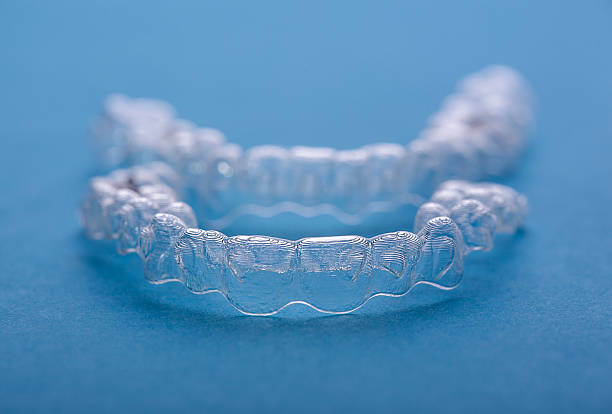
Invisalign uses a series of custom clear aligners, planned with digital scans, to move teeth through controlled, gradual pressure over time. It changes where the teeth sit, not their color or surface appearance.
Veneers Change Tooth Shape, Size, and Color
Porcelain veneers are thin, custom-made shells bonded to the front of the teeth. They're designed cosmetically to adjust shape, size, and color, creating a more uniform appearance across the smile.
Some Smile Makeovers Use Both
For some patients, the two treatments work together. Invisalign can prepare the foundation by improving tooth position, and veneers can then refine the final shape and color once the teeth are aligned.
When Are Veneers Enough Without Invisalign?
Invisalign isn't a required first step for every veneer patient, and many smile makeovers move straight to veneers.
Mild Cosmetic Concerns May Be Corrected with Veneers Alone
Patients with minor shape, size, color, or spacing concerns, and generally well-positioned teeth, may not need orthodontic treatment before veneers. In these cases, veneers alone can often achieve the desired result.
Tooth Position Must Still Be Evaluated First
Even when veneers are the main treatment, the dentist should still check bite alignment, tooth position, gum health, and enamel condition before moving forward. Skipping this step can affect how well the final restorations fit and last.
Cosmetic Goals Matter
Some patients want a faster path to a whiter, more uniform smile and are comfortable with veneers alone. Others prioritize preserving more of their natural tooth structure and prefer to align first, even if it takes more time. Both are valid goals, and the right path depends on what matters most to the patient.
When Is Invisalign Better Before Veneers?
Certain situations point more clearly toward alignment as a first step.
When Teeth Are Crowded or Overlapping
Veneers placed over crowded or overlapping teeth can end up looking bulky or require more reshaping than a patient may want. Addressing crowding with Invisalign first can support a more conservative veneer design.
When Tooth Roots or Angles Are Poorly Positioned
Veneers can change how the front surface of a tooth looks, but they don't reposition the root underneath. When the angle or position of the root itself is contributing to the smile's appearance, Invisalign may be a more appropriate first step than veneers alone.
When Spaces Need to Be Distributed Evenly
Invisalign can sometimes redistribute uneven spacing so that any remaining gaps are more evenly spread across the smile, which can help veneers or bonding look more balanced once they're placed.
When Bite Pressure Could Affect Veneers
Bite forces matter for how long veneers hold up over time. Patients who clench or grind their teeth, or who have a deep overbite, may not be good candidates for veneers, so bite alignment is worth evaluating before finalizing a cosmetic plan.
How Does Invisalign Before Veneers Work?
When alignment comes first, treatment generally follows a sequence of steps.
Step 1: Smile and Bite Evaluation
Treatment starts with an exam that includes photos, digital scans, X-rays if needed, and an assessment of gum health, tooth position, and bite. This evaluation helps determine whether alignment, cosmetic treatment, or both are appropriate.
Step 2: Digital Invisalign Planning
Many Invisalign treatment plans begin with a digital scan of the teeth, which allows the dentist to simulate tooth movement and map out the full series of aligners before treatment begins. This kind of digital scanning and treatment planning gives both the patient and the dentist a clearer picture of the plan from the start.
Step 3: Aligner Treatment to Improve Tooth Position
Treatment continues with a series of custom aligner trays, worn as directed, with periodic check-ins to confirm the teeth are tracking as planned. Some cases may need small attachments on certain teeth to help guide specific movements.
Step 4: Cosmetic Re-Evaluation After Alignment
Once alignment is complete, the dentist reassesses tooth shape, color, and proportions to determine whether veneers, bonding, whitening, or enamel recontouring are still needed, and if so, how extensive that treatment should be.
Step 5: Final Veneers, Bonding, or Smile Design
The final cosmetic phase may be less extensive than it would have been without alignment, though this varies by case. Some patients move forward with veneers, others with bonding, and some find that alignment alone achieves much of what they were hoping for.
Does Invisalign Before Veneers Take Longer?
Timeline is one of the most common questions patients ask when considering this sequence.
Yes, But It May Create a Better Foundation
Adding Invisalign before veneers does extend the overall timeline, since it adds a treatment phase before the cosmetic work begins. In exchange, it can allow for more careful planning and a more conservative approach to the final restorations.
Treatment Time Depends on the Amount of Tooth Movement
Mild spacing or crowding may only require a few months of aligner wear, while more complex cases can take longer. The dentist can give a more specific timeline once the case has been evaluated.
The Final Cosmetic Plan May Change After Invisalign
Some patients find they need fewer veneers or less bonding after alignment, since better tooth position can reduce the amount of cosmetic correction needed. This isn't guaranteed for every case, and the final plan is determined after alignment is complete.
Can Invisalign Before Veneers Help Preserve More Natural Tooth Structure?
For patients interested in a more conservative approach to cosmetic treatment, alignment can play a meaningful role.
Better Tooth Position Can Support More Conservative Veneer Design
Better-positioned teeth give the dentist more room to work with, which often means a thinner, less invasive veneer gets the same result. This can support a more minimal-prep approach in some cases.
Not Every Case Becomes Minimal-Prep
Alignment is only one piece of the puzzle. How much a tooth needs to be prepared still comes down to its color, shape, and enamel, along with the patient's bite and what they're hoping to achieve. Invisalign can improve the starting point, but it doesn't guarantee minimal-prep veneers for every patient.
Why Conservative Planning Matters
The less enamel removed today, the more options a patient tends to have down the road, and restorations built on a more conservative foundation typically hold up more predictably. This is one of the reasons some patients and dentists choose to align first, even though it adds a step to the process.
What Should Be Checked Before Choosing Invisalign, Veneers, or Both?
A thorough evaluation covers more than just how the smile looks.
Tooth Position and Smile Symmetry
This includes checking spacing, crowding, rotations, the midline, and overall arch form to understand how the teeth currently sit within the smile.
Bite and Jaw Function
Bite pressure, grinding, clenching, and any TMJ-related symptoms all factor into whether alignment, cosmetic treatment, or both are appropriate, and in what order.
Gum Health and Tooth Support
Healthy gums are important before starting orthodontic or cosmetic treatment, since gum inflammation or disease can affect how well either type of treatment holds up.
Tooth Shape, Size, and Color
Some cosmetic concerns are better addressed after alignment, once the teeth are in their final position and the dentist can see the true shape and spacing clearly.
Existing Fillings, Crowns, or Bonding
Previous dental work can affect how treatment is planned, since existing restorations may need to be factored into both the alignment and cosmetic phases.
Why Choose SmileWorx for Invisalign and Veneer Planning in Vienna, VA?
Invisalign and Cosmetic Dentistry in One Smile Plan
SmileWorx offers Invisalign, porcelain veneers, cosmetic dentistry, bonding, whitening, and digital smile planning, which allows Dr. Spivak to evaluate alignment and cosmetic treatment as part of one coordinated plan rather than two separate decisions.
Digital Scans and Smile Design Support Better Planning
Digital scans and smile design tools help map out tooth movement and cosmetic changes before treatment begins, giving patients a clearer sense of what to expect at each stage.
Personalized Recommendations from Dr. Olga Spivak
Dr. Olga Spivak, a certified Invisalign provider and member of the American Academy of Cosmetic Dentistry, works with patients at SmileWorx in Vienna, VA, to determine whether Invisalign, veneers, or a combination best fits their smile goals and tooth position.
Schedule a Smile Makeover Consultation in Vienna, VA
Invisalign may be recommended before veneers when tooth position, spacing, crowding, or bite alignment could affect the final cosmetic result. Veneers improve shape, size, and color, while Invisalign moves teeth into a better position. SmileWorx can evaluate whether Invisalign, porcelain veneers, bonding, whitening, or a combination of cosmetic dentistry treatments fits your smile goals.
If you're considering a smile makeover in Vienna, VA, schedule a consultation with SmileWorx to talk through whether Invisalign, veneers, or both make sense for your smile.
FAQs About Invisalign Before Veneers in Vienna, VA
Should I get Invisalign before veneers?
Some patients benefit from Invisalign before veneers if tooth position, spacing, crowding, or bite alignment could affect the cosmetic result.
Can veneers fix crooked teeth without Invisalign?
Veneers can improve the appearance of mildly crooked teeth, but they do not move tooth roots or correct bite alignment.
Can Invisalign reduce the number of veneers I need?
In some cases, aligning teeth first may change the final cosmetic plan, but this depends on the patient's tooth shape, color, spacing, and goals.
Is Invisalign better than veneers?
Invisalign and veneers solve different problems. Invisalign moves teeth, while veneers change tooth shape, size, and color.
Can I whiten my teeth after Invisalign and before veneers?
Some patients whiten after Invisalign before choosing final veneer color, but timing should be planned with the dentist.
Where can I discuss Invisalign and veneers in Vienna, VA?
Patients can schedule a consultation at SmileWorx in Vienna, VA to discuss Invisalign, porcelain veneers, and smile makeover planning.