TMJ Treatment
Overview
Jaw pain, clicking, stiffness, and muscle tension can make everyday activities like eating, speaking, and sleeping uncomfortable. At SmileWorx in Vienna, VA, Dr. Olga Spivak and our team provide personalized TMJ treatment focused on identifying factors that may be contributing to your symptoms and finding practical ways to improve comfort and function.
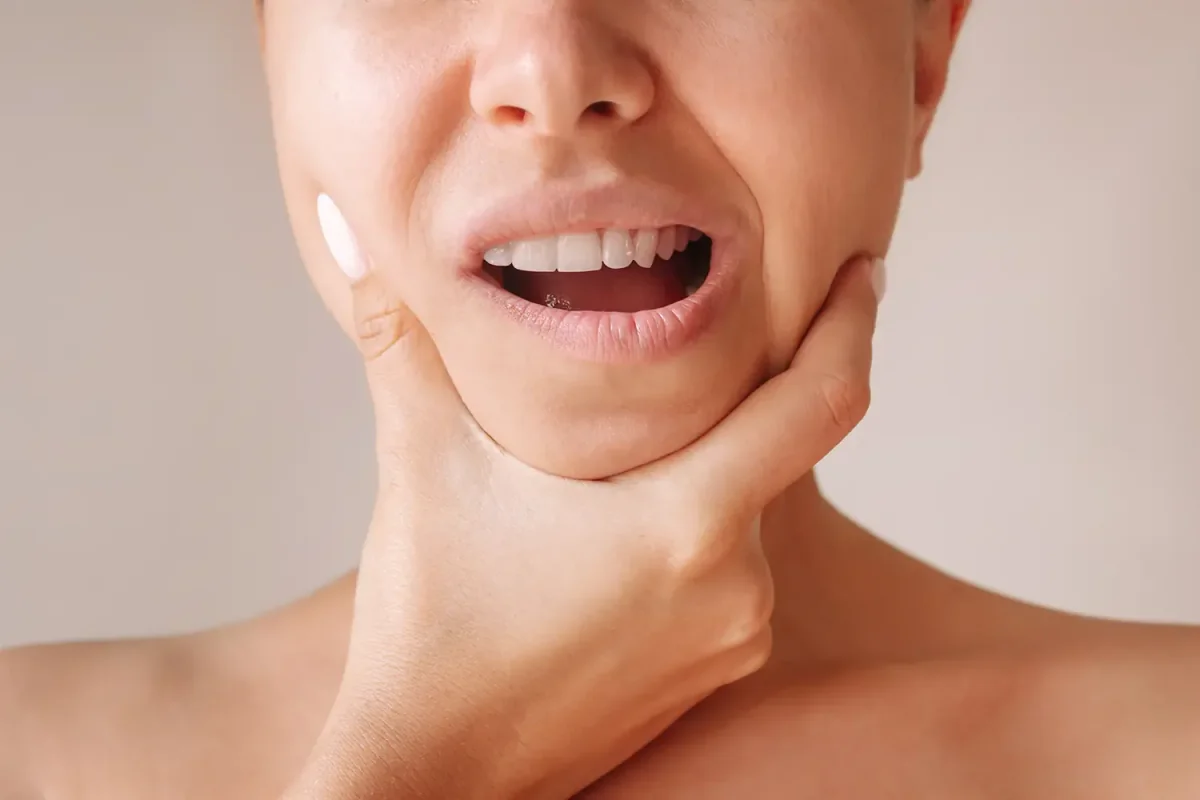
TMJ stands for temporomandibular joint, the joint that connects your jaw to your skull. Conditions affecting this joint and the surrounding muscles are more accurately known as temporomandibular disorders, or TMD, although many patients simply refer to them as “TMJ.”
If jaw discomfort is interfering with your daily routine, an evaluation can help determine the possible causes of your symptoms and which conservative treatment options may be appropriate.
How TMJ Treatment Works
TMJ treatment begins with understanding your symptoms, jaw function, and daily habits. Dr. Spivak will ask when your discomfort began, what makes it better or worse, and whether you have a history of clenching or grinding, jaw injuries, or other concerns.
Your Evaluation May Include:
- A review of your symptoms and medical history
- An examination of jaw movement and surrounding muscles
- An assessment of your teeth and bite
- Imaging, when additional information is needed
If imaging is appropriate, Dr. Spivak may recommend X-rays or other diagnostic imaging to better evaluate the jaw joint and surrounding structures.
Treatment is typically focused on conservative approaches that help reduce strain, protect the teeth, and improve comfortable jaw movement.
Signs of a TMJ or TMD Problem
TMD symptoms can vary from one person to another. Some people experience ongoing soreness, while others notice discomfort only while chewing or opening their mouth.
Common Symptoms May Include:
- Pain or tenderness around the jaw or ear
- Difficulty opening your mouth comfortably
- A jaw that occasionally locks or feels stuck
- Headaches or discomfort around the temples
- Pain while chewing
- Tooth wear or sensitivity associated with clenching or grinding
- Clicking, popping, or grinding in the jaw joint
Jaw sounds alone do not always indicate a problem. Clicking or popping that occurs without pain or limited movement is common and may not require treatment. However, jaw noises accompanied by pain, locking, or difficulty moving the jaw are worth discussing with a dentist.
What to Expect During Your TMJ Evaluation
Your first visit focuses on understanding what you are experiencing and identifying possible contributors to your discomfort.
Dr. Spivak may ask about your symptoms, sleep habits, stress, chewing patterns, previous injuries, and whether you clench or grind your teeth. She will also examine your jaw movement, muscles, joints, and teeth.
Depending on Your Symptoms, Your Evaluation May Include:
- A conversation about when and where your discomfort occurs
- A hands-on assessment of the jaw muscles and joints
- Evaluation of how comfortably your jaw opens and closes
- Examination for signs of clenching, grinding, or tooth wear
- Diagnostic imaging when clinically appropriate
After the evaluation, we explain the findings in clear language and discuss appropriate next steps.
Non-Surgical TMJ Treatment Options
Many TMD symptoms can be managed with conservative, non-surgical care. Your treatment plan will depend on your symptoms and what Dr. Spivak finds during your examination.
Recommendations May Include:
- A custom oral appliance when appropriate
- Strategies to reduce clenching or grinding
- Temporary changes to eating and chewing habits
- Gentle jaw exercises or muscle therapy
- Physical therapy when movement retraining may be helpful
- Measures designed to reduce muscle tension and discomfort
A custom mouthguard or oral appliance may be recommended for some patients, particularly when clenching or grinding is contributing to tooth wear or jaw strain.
If your symptoms require evaluation or treatment beyond what we provide at SmileWorx, we can also coordinate care with other healthcare professionals or specialists.
How Can You Protect Your Jaw at Home?
Simple changes can help reduce unnecessary strain on sore jaw muscles and joints.
During Periods of Increased Discomfort, You May Benefit From:
- Choosing softer foods temporarily
- Avoiding gum and very chewy or hard foods
- Limiting habits that require prolonged jaw opening
- Applying a warm compress to sore jaw muscles
- Performing gentle jaw exercises if recommended
- Wearing a custom oral appliance if prescribed
Pay attention to habits that make your symptoms better or worse. Sharing those observations at your follow-up visit can help us better understand your condition and adjust your care when needed.
Do I Need Treatment If My Jaw Clicks?
Not necessarily. Clicking or popping without pain, locking, or limited jaw movement is common and often does not require treatment.
If the clicking is painful, your jaw becomes difficult to open, or the joint occasionally locks, scheduling an evaluation can help determine whether treatment is appropriate.
Can a Night Guard Help with TMJ Pain?
A custom oral appliance may help some patients, especially when nighttime clenching or grinding is contributing to tooth wear or jaw muscle strain.
Not every type of jaw pain has the same cause, so an examination is important before deciding whether an appliance is appropriate for you.
When Should I See a Dentist for Jaw Pain?
Consider scheduling an evaluation if jaw pain persists, interferes with eating or sleeping, limits how widely you can open your mouth, or occurs along with locking or other changes in jaw movement.
A dental evaluation can help identify possible contributors to your symptoms and determine whether conservative care or additional evaluation is appropriate.
Is TMJ Treatment Usually Surgical?
Most patients begin with conservative treatment rather than surgery. Treatment often focuses on reducing muscle strain, protecting the teeth, improving jaw movement, and managing habits that may contribute to discomfort.
More extensive treatment is generally considered only when symptoms and diagnostic findings indicate the need for additional care.
Schedule a TMJ Evaluation in Vienna, VA
Jaw pain does not have to keep interfering with meals, sleep, work, or everyday activities. Dr. Olga Spivak and the SmileWorx team provide thorough TMJ evaluations and personalized recommendations based on your symptoms and jaw function.
Call SmileWorx today to schedule your TMJ evaluation in Vienna, VA. We’ll help you understand your symptoms, explore appropriate treatment options, and take practical steps toward a more comfortable jaw.
Related Services
TMJ Therapy
Evaluation and conservative treatment for jaw pain and clenching.
Trigger Point Therapy
Targeted relief for jaw and facial muscle tension.
BOTOX®
Softens facial lines with a personalized, natural-looking treatment plan.
BOTOX® & Aesthetic Dentistry
Coordinated care for facial lines, clenching, and muscle-related discomfort.